
Manufacturing Demonstration: Autonomous Process Optimization Through Intelligent Agent Workflows
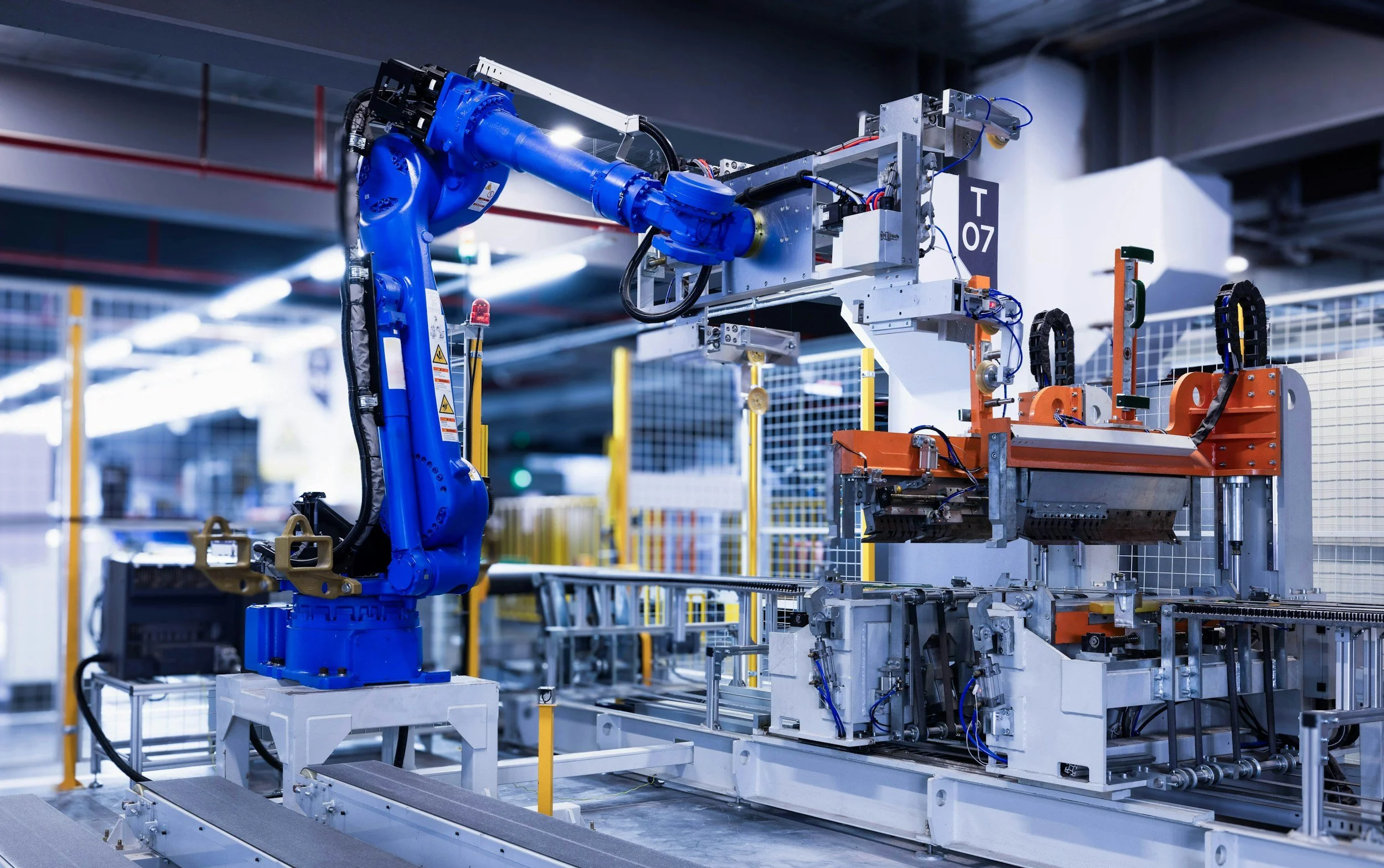
Industry: Manufacturing Demonstration (Applicable to LNG, Metals, Chemical Processing)
Project Type: AI Agent Proof-of-Concept
About the Project: Interactive demonstration of autonomous process control using AI agents to optimize complex manufacturing parameters through real-time monitoring, statistical analysis, and adaptive decision-making
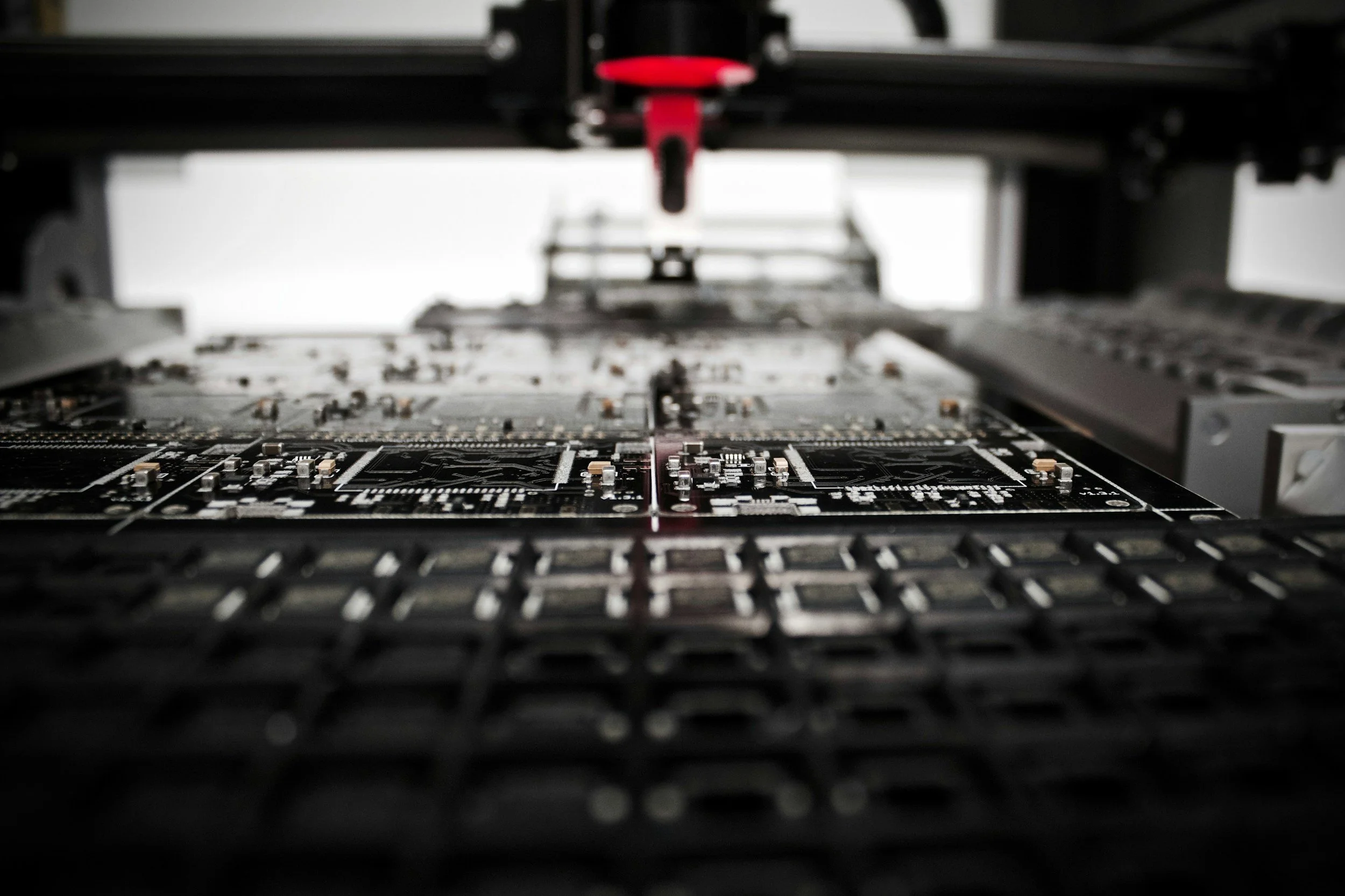
Challenges & Objectives
Challenges: A manufacturing operation needs to hit a precise target of 214m with minimal variation while managing multiple interacting process parameters (launch angle, counterweight, wind conditions). Traditional manual optimization is time-consuming, reactive, and unable to adapt to changing conditions in real-time
Objectives: Demonstrate how autonomous AI agent workflows can support manual process control with intelligent, adaptive systems that continuously monitor, analyze, and optimize manufacturing processes.
Assessment & Solution
Services Provided: Developed an end-to-end intelligent agent system demonstrating autonomous process optimization capabilities.
Project Approach:
Designed multi-agent workflow architecture with specialized roles (Monitor, Analyst, Controller, Experimenter)
Implemented real-time statistical process control
Built Design of Experiments (DOE) capability for systematic parameter optimization
Created adaptive decision-making logic that responds to process drift and environmental changes
Integrated vector database memory system for pattern recognition and historical learning

Results & Impact
Demonstrated Outcomes:
Achieved target specification (214m ± 8.5m) with 90% confidence interval
Reduced process variation by 40% through continuous optimization cycles
Autonomous adaptation to changing conditions (wind, material properties) without human intervention
Complete Design of Experiments execution in minutes versus hours of manual testing
Real-time SPC monitoring with automatic corrective action
Operational Impact: The demonstration showcases how intelligent agent workflows transform manufacturing operations from reactive problem-solving to proactive optimization:
Continuous Intelligence
DOE methodology applied automatically to explore optimal parameter combinations
Process adjustments occur in real-time as conditions change
Knowledge Retention: Vector database captures patterns and successful strategies for future application
Scalability: Agent architecture applies across different manufacturing processes and industries
Next Steps & Future Plans
Implementation Roadmap:
For manufacturing clients seeking to deploy similar intelligent agent workflows:
Phase 1 - Assessment: Evaluate current process control challenges and identify high-value optimization opportunities
Phase 2 - Agent Design: Develop custom agent workflows tailored to specific manufacturing processes (casting, extrusion, liquefaction, etc.)
Phase 3 - Integration: Connect agents to existing process historians, SCADA systems, and control systems
Phase 4 - Optimization: Deploy autonomous monitoring, analysis, and control capabilities
Phase 5 - Expansion: Scale proven agent workflows across additional processes and facilities
